38
MOUNTAINLIFEBLUEMOUNTAINS
SPRING2016
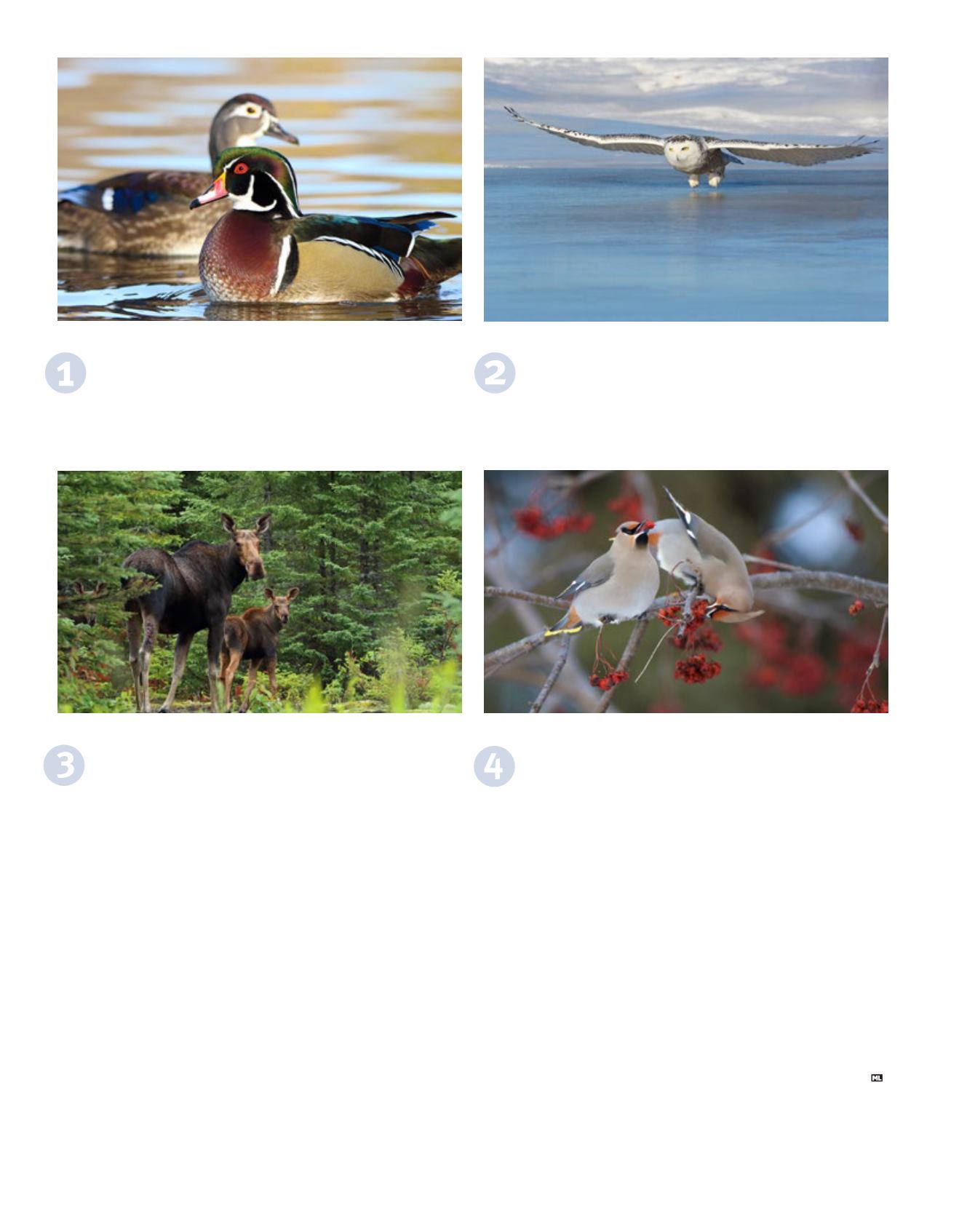
Bohemianwaxwing.
Finally, though knowing your camera isn’t as necessary to get a good
picture these days as it once was, it is certainly something that can help
you get a great one. That doesn’t just mean controlling settings like ISO
and aperture on a DSLR or point-and-shoot to optimize a shot, but also
knowing what a fully automatic rig like your phone camera is capable of,
and what post-processing you’ll be able to do without losing information.
I use an iPhone 6 for most field photography these days and just recently
completed a four-month trip throughAsia where I used it exclusively. I
learned a lot about what it could and couldn’t do, and also how to fool
it into doing what I wanted (after all, it is a computer, and thus often far
too logical for its own good). Another good example is using the zoom
function on a phone tomake a subject larger: inmost cases this results
in a poorer image than if you shoot from amid-range distance without
zooming, then crop in later on your computer. (BTW, this technical area
is about to change with a new generation of multi-lens apps and add-on
external lens packages for phones that essentially make them competitive
with DSLRs—look out!)
Finally, take lots of shots. Always.Withmemory capacity the only limit in these
post-film days there’s no excuse not to shoot enough to get the shot you
want. The rest are easy enough to erase, and the instant learning processes
involved key to getting better. After all, chasing the best shot just means
finding the one you already have in your own camera—the mind’s eye.
Withcountlesshours in thefield,Quebec'sMaximeLégaré-Vézinahas
progressed fromnovice toprophotographer. FindmoreofMaxime'sworkat
.
Snowy owl.
SHOOT IN THE BEST LIGHT.
That means early morning or late
day, when texture and contrast on the land are best, light angles
low, and wildlife activity high. Also, when you’re trying to light
an animal subject evenly, shadows or a cloudy day are generally
better than bright sunlight.
VARY PERSPECTIVE.
Awide shot showing the animal in its natural
habitat is great, but a close-up is often better; think human portraits
and howmuchmore meaningful they are when you look in the
subject’s eyes. Animal eyes are filledwith similar intrigue as well as
ineffable traces of instinct, evolution and animal wisdom—insects too!
Woodduck.
THINK ABOUT COMPOSITION.
Where’s the critter in the shot?
Centred is rarely the best place. Arrange other elements in the
shot so they frame your subject interestingly. Alternatively, if you’re
doing a close-up, make sure not to crop out important bits like
tails and ears.
Cowmoose and calf.
AGAIN, KNOW YOUR ANIMAL.
This will help immeasurably in
anticipating behaviour and gettingmovement (or non-movement)
in the shot, whether it’s a whale breaching or a snake flicking its
tongue. This doesn’t mean reading a guidebook; you observe the
animal, you get your brain out of the way, and let the patterns of
everything it is doingmake themselves apparent.


